
Southern Africa is a realm of dramatic contrasts, where the world's oldest desert meets the planet’s largest inland delta, and the thundering roar of Victoria Falls echoes across four borders. For adventure travelers, an overland journey through Namibia, Botswana, Zimbabwe, and Zambia is the ultimate bucket-list expedition.

This guest post serves as your comprehensive guide to navigating these four iconic nations. We’ll explore the "Greatest Hits" of the region, from the towering dunes of the Namib to the wildlife-rich floodplains of the Zambezi.
The Route Overview: A Loop of Extremes
While each country offers a distinct soul, they are geographically intertwined. Most adventurers begin in Windhoek (Namibia) and head east, or start at the "Adventure Hub" of Victoria Falls, where Zimbabwe and Zambia meet.
1. Namibia: The Land of Infinite Horizons
Namibia is a masterpiece of geology. It is defined by its sparse population and colossal landscapes.

Sossusvlei & Deadvlei: Located in the Namib-Naukluft National Park, these are the world's most famous sand dunes. Dune 45 offers a legendary sunrise climb, while Deadvlei features 900-year-old skeletal camel thorn trees set against white clay and orange sand.
Etosha National Park: Unlike the lush safaris of the north, Etosha is centered around a massive salt pan. In the dry season, wildlife viewing is effortless as lions, elephants, and the rare black rhino congregate around man-made waterholes.
The Skeleton Coast: Where the desert meets the Atlantic. It is a hauntingly beautiful stretch littered with shipwrecks and home to massive Cape Fur seal colonies.
Namibia is defined by its sheer scale. It is one of the least densely populated countries on earth, making it the perfect escape for those seeking solitude.
The Vibe: Stark, silent, and surreal. It’s about the interplay of light and shadow on the dunes.
Don't Miss: Damaraland, where you can track desert-adapted elephants and visit the ancient rock engravings of Twyfelfontein.
Travel Style: Primarily self-drive. The roads are well-maintained gravel, but the distances are immense.
2. Botswana: The Wildlife Sanctuary
Crossing into Botswana feels like entering a different world. The dust of the Namib is replaced by the crystal-clear waters of the Okavango.
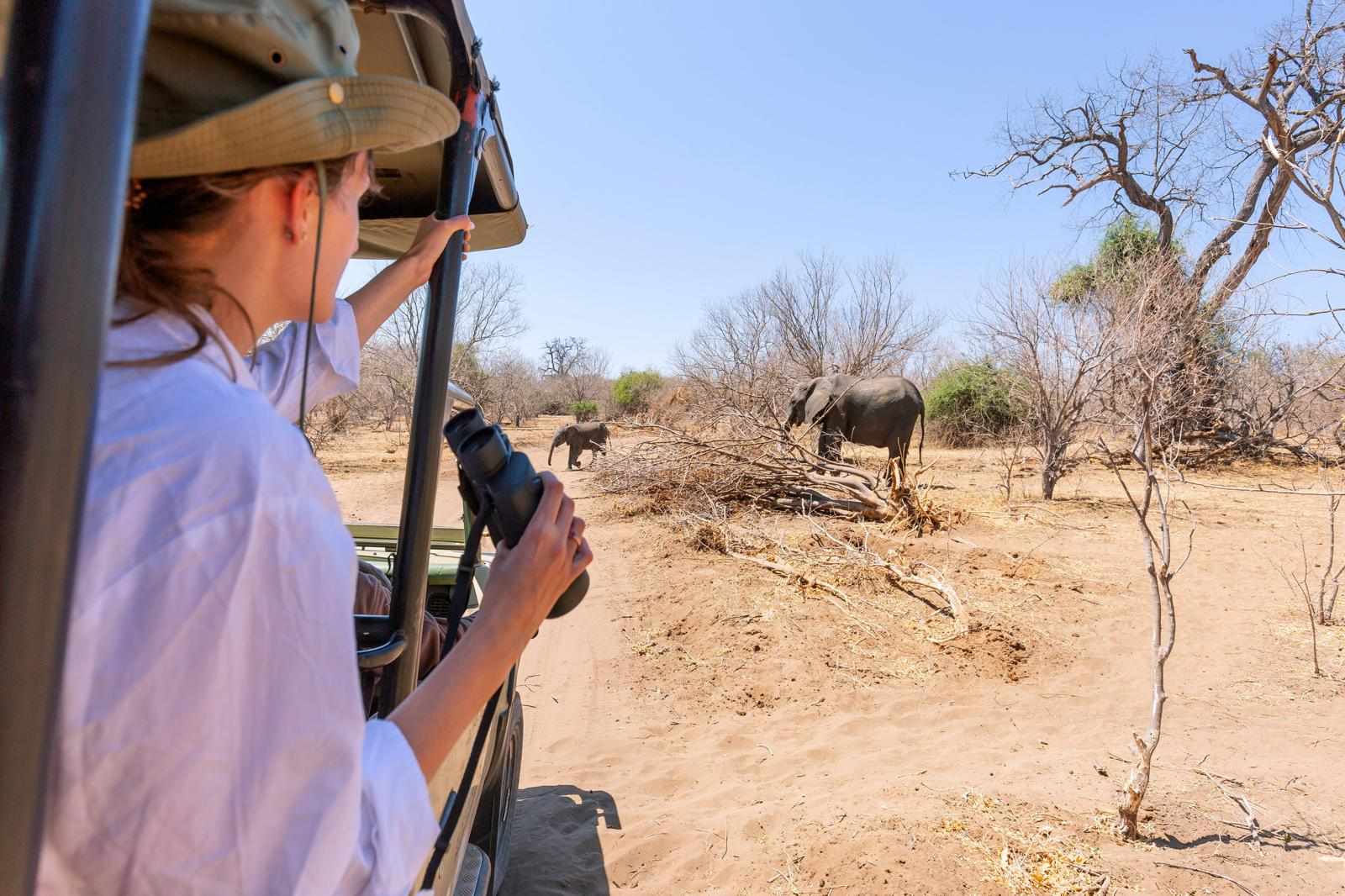
The Okavango Delta: This UNESCO World Heritage site is a labyrinth of lagoons and channels. The quintessential adventure here is a Mokoro (dugout canoe) trip, where you glide at water level past hippos and reed frogs.
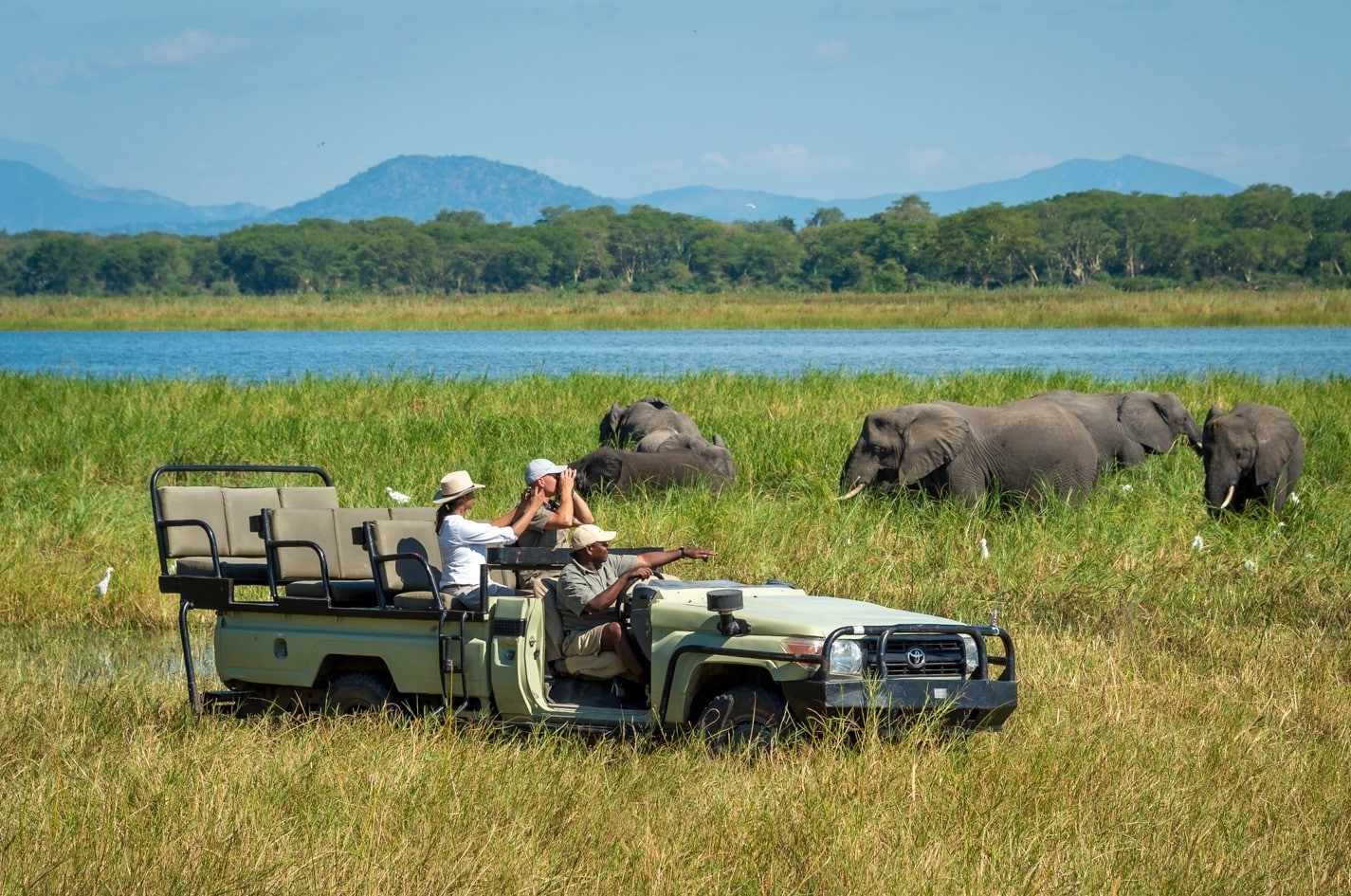
Chobe National Park: Known as the "Land of Giants," Chobe boasts the highest concentration of elephants in Africa (over 120,000). A sunset boat cruise on the Chobe River offers a front-row seat to elephant herds swimming across the water.
Makgadikgadi Pans: For those seeking solitude, these salt pans—remnants of an ancient superlake—offer a surreal, moon-like landscape where you can interact with habituated meerkats.
Botswana has pioneered a "high-value, low-volume" tourism model. This means fewer crowds and a more intimate connection with nature.
The Vibe: Lush, exclusive, and raw. It feels like the "Garden of Eden" of Africa.
Don't Miss: The Savuti region of Chobe, famous for its powerful lion prides that have been known to hunt elephants.
Travel Style: Luxurious fly-in lodges or rugged 4x4 rooftop camping.
3. Zimbabwe: The Smoke That Thunders
Zimbabwe is often the heartbeat of a Southern African tour, primarily due to its side of the magnificent Victoria Falls.

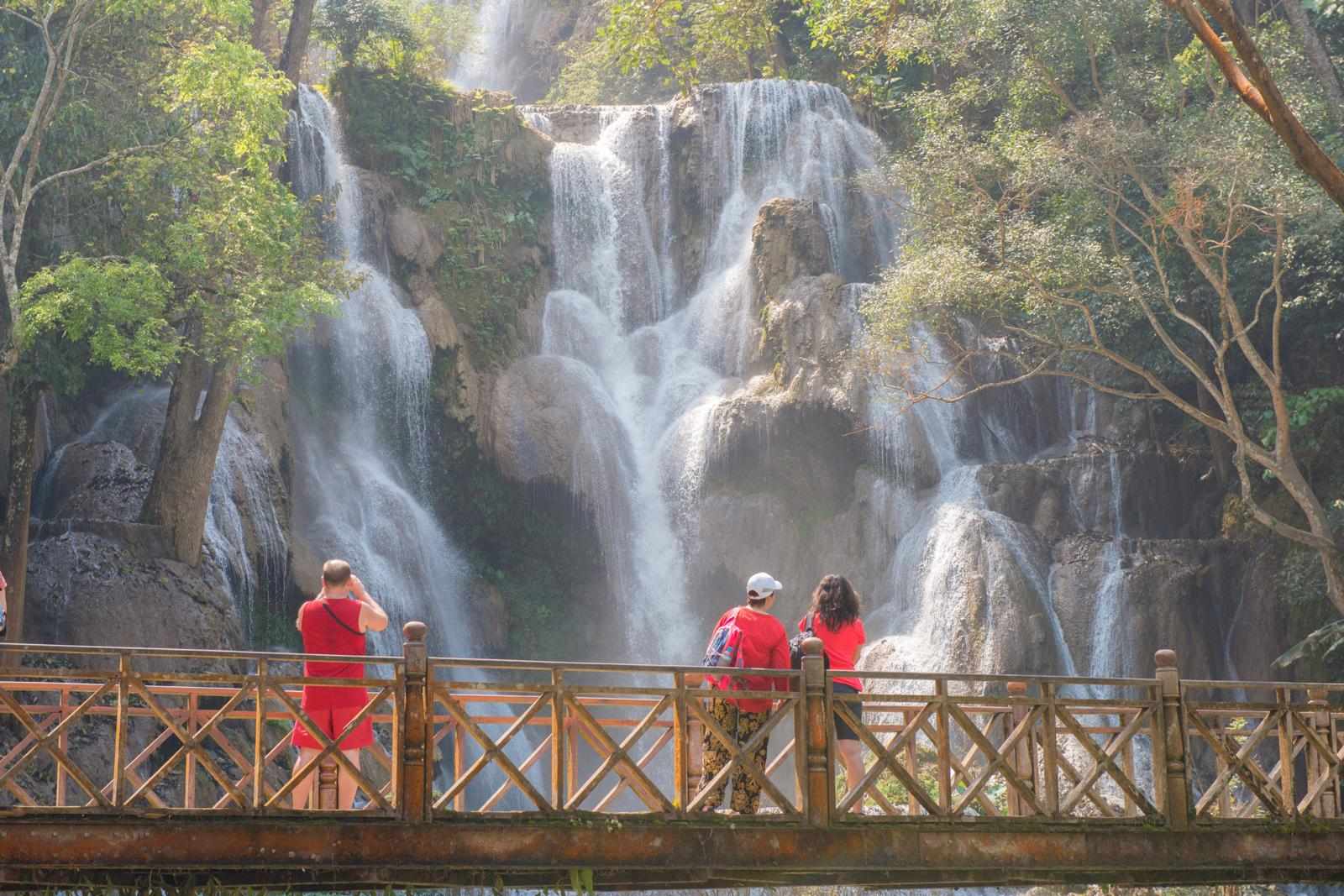
Victoria Falls (Mosi-oa-Tunya): Two-thirds of the falls lie in Zimbabwe. The rainforest walk offers 16 viewpoints of the 1,700-meter-wide curtain of water.
Hwange National Park: Zimbabwe's largest park is famous for its "Presidential Elephants" and incredible predator sightings. It offers a more rugged, "old-school" safari feel compared to the more commercialized parks.
Mana Pools: A dream for the brave, this park is famous for walking safaris and the "standing elephants" that reach for high branches on their hind legs.
Beyond the falls, Zimbabwe offers some of the most professional safari guides in Africa.
The Vibe: Culturally rich and resilient. The people are famously welcoming.
Don't Miss: Great Zimbabwe Ruins, the largest medieval city in sub-Saharan Africa, offering a glimpse into a powerful ancient empire.
Travel Style: Lodge-based safaris and walking expeditions.
4. Zambia: The Wild Frontier
Zambia is often called "the real Africa" because of its raw, untouched wilderness and pioneering role in walking safaris.

Livingstone (The Zambian Side of the Falls): While Zimbabwe has the views, Zambia has the "feel." You can walk right to the edge at the Knife-Edge Bridge or, in the low-water season, swim in the famous Devil’s Pool—a natural infinity pool on the lip of the falls.
South Luangwa National Park: The birthplace of the walking safari. It is one of the best places in Africa to spot the elusive leopard.
Lower Zambezi: Here, the adventure is on the water. Canoe safaris allow you to paddle past buffalo and elephants lining the riverbanks under the shadow of the Zambezi escarpment.
Zambia is for the traveler who wants to get their boots dirty. It’s less polished than its neighbors, which is exactly its charm.
The Vibe: Authentic and untamed.
Don't Miss: South Luangwa National Park, where the "Walking Safari" was born. Being on foot with a ranger levels the playing field between you and the wild.
Travel Style: Expeditionary and remote.
Adventure Activities: For the Adrenaline Junkie
This four-country circuit is the adventure capital of the continent. If you are looking for a rush, make sure these are on your itinerary:What is the Best Time to Visit All Four Countries?

The "Golden Rule" for Southern Africa is to travel during the Dry Season (May to October).
Wildlife Viewing: As the land dries up, animals are forced to congregate around permanent water sources (like the Chobe River or Etosha’s waterholes), making them easy to spot.
Victoria Falls: The water levels are highest from March to May (maximum spray), but the best "adventure" flow (for rafting and swimming in Devil's Pool) is from August to December.
The "Green Season": From November to April, the landscape turns emerald. It’s cheaper and better for birding, but many dirt roads become muddy traps for vehicles.
Is it Safe to Self-Drive Across the Borders?
Self-driving is the ultimate way to see Namibia and Botswana, but it comes with specific rules.

Safety: Generally, these countries are very safe for tourists. The biggest "danger" isn't crime; it's driving at night. Wildlife and livestock often wander onto the roads, and without streetlights, collisions are frequent.
Border Logistics: Crossing from Namibia into Botswana is simple. However, taking a rental car into Zimbabwe or Zambia can be expensive due to high insurance "Carbon Tax" and "Road Access" fees. Many travelers leave their rental car in Kasane (Botswana) and take a transfer across to Victoria Falls.
How Much Should You Budget for a 3-Week Trip?
Southern Africa can be as cheap or as expensive as you want, but the "budget" here is higher than in Southeast Asia.

Pro Tip: Activities like helicopter flights ($150+), rafting ($120+), and park entry fees ($20–$40/day) add up quickly. Always keep a "contingency fund" for these.
Practical Logistics: Borders and Gear
Traveling between these four countries requires some planning, especially regarding visas and transport.
The KAZA Univisa
One of the best tools for travelers is the KAZA Univisa. For approximately $50, this visa allows you to travel between Zimbabwe and Zambia multiple times and perform day trips into Botswana (via the Kazungula border). It saves both time and money.
Border Crossings
Kazungula Bridge: A modern marvel where Namibia, Botswana, Zimbabwe, and Zambia almost meet. This bridge has revolutionized travel between Botswana and Zambia.
Namibia/Botswana (Mamuno/Buitepos): A common crossing for those driving from Windhoek to the Okavango Delta. Ensure your vehicle has the correct "Cross Border" permits.
What are the Must-See Safari Parks?
If you only have limited time, prioritize these three:
Etosha (Namibia): Best for seeing Rhino and Lion without effort.
Chobe (Botswana): Best for seeing hundreds of Elephants at once.
Lower Zambezi (Zambia): Best for canoe safaris where you glide past hippos and crocodiles.
What Documents Do You Need for the "Four Corners"?
The border where these four countries meet (the Kazungula region) is unique.
The KAZA Univisa: This is your best friend. It allows you to move freely between Zimbabwe and Zambia and covers day trips to Botswana.
Yellow Fever: While not always required, keep your certificate handy if you are traveling from a country with a risk of transmission.
Vehicle Papers: If driving, you must have the Original Registration (or a certified copy) and a Letter of Authority from the rental company.
Top Cultural Experiences You Can't Miss
An adventure isn't just about animals; it's about the people.
The San Bushmen (Namibia/Botswana): Take a "bush walk" to learn how they find water in tubers and track animals using ancient techniques.
The Lozi People (Zambia): If you visit in April, look for the Kuomboka Ceremony, where the King moves from his summer palace to his winter palace in a massive ornate barge.
Livingstone Museum (Zambia): Offers a fascinating look at the life of David Livingstone and the colonial history of the region.
Essential Packing List for the Region
Neutral Clothing: Avoid bright colors (scares animals) and dark blue/black (attracts Tsetse flies).
Dust Protection: A "Buff" or scarf is essential for Namibia’s dry roads.
Power Bank: Even the best campsites can have unreliable power.
Binoculars: Don't rely on your phone camera for wildlife.
Your Adventure Starts Here
Navigating these four countries is like reading a four-chapter epic. Namibia provides the visual scale, Botswana the wildlife density, Zimbabwe the historical heart, and Zambia the raw adrenaline.

Write a comment ...